skip to main |
skip to sidebar
We had ample time to go birding on our last day in Osaka. Of course we had to go the place that is within walking distance from our hotel - the Osaka Nanko Bird Sanctuary. It was a beautiful sunny morning which is probably why the pesky insects we encountered three days ago were very, very few. The "hide" allowed visitors in earlier than its scheduled 9 am opening. Unfortunately, birds were even fewer this time. The good thing was we saw species that were not here the last time we came. Such as this Whimbrel.
The Great Cormorant was still at its usual place.
The Great Egrets were already in their breeding plumage.
The Eastern Spot-billed Ducks did some fly-by.
A Common Moorhen also did a short stop over.
We then tried the wooded area around the "hide". The only bird we saw was a male Narcissus Flycatcher.
The last photo of the day and of the trip is that of the bird we first saw in Osaka and for us, had become the avian symbol of this beautiful city, the White-cheeked Starling, which we saw as we were walking back to our hotel.
Time to pack and get ready for our return flight home.
Sydney and the surrounding areas have plenty of bodies of ponds, lakes and rivers where water birds can be found.
Most common of these birds is the Maned Duck (Chenonetta jubata) also known as the Australian Wood Duck. They can occasionally be found in places without any body of water nearby.
The Pacific Black Duck (Anas superciliosa) is another species that one can easily encounter in ponds of city parks.
Its more colorful cousin, the Chestnut Teal (Anas castanea) is not as common. They are usually in lakes that are not near urban areas.
Another iconic image of Australia is the Black Swan. A very elegant bird and is usually seen in park ponds.
The only representative of the Ardeidae family that we saw was the White-faced Heron (Egretta novaehollandiae). It is relatively small - about the same as the Cattle Egret in size.
Two additional lifers for us were from the Rallidae family. They look so much alike those that are found here in the Philippines.
First is the Dusky Moorhen (Gallinula tenebrosa) which is similar to the Common Moorhen.
The other is the Australasian Swamphen (Porphyrio melanotus) closely resembling the Philippine Swamphen.
Another interesting bird is the Australasian Darter. This bird is more of a river inhabitant.
There are four species of Cormorants found in Australia and we were lucky enough to have seen all of them (although some pictures were not that good).
Australian Pied Cormorant (Phalacrocorax varius) - a very bad photo.
Little Pied Cormorant (Microcarbo melanoleucos)
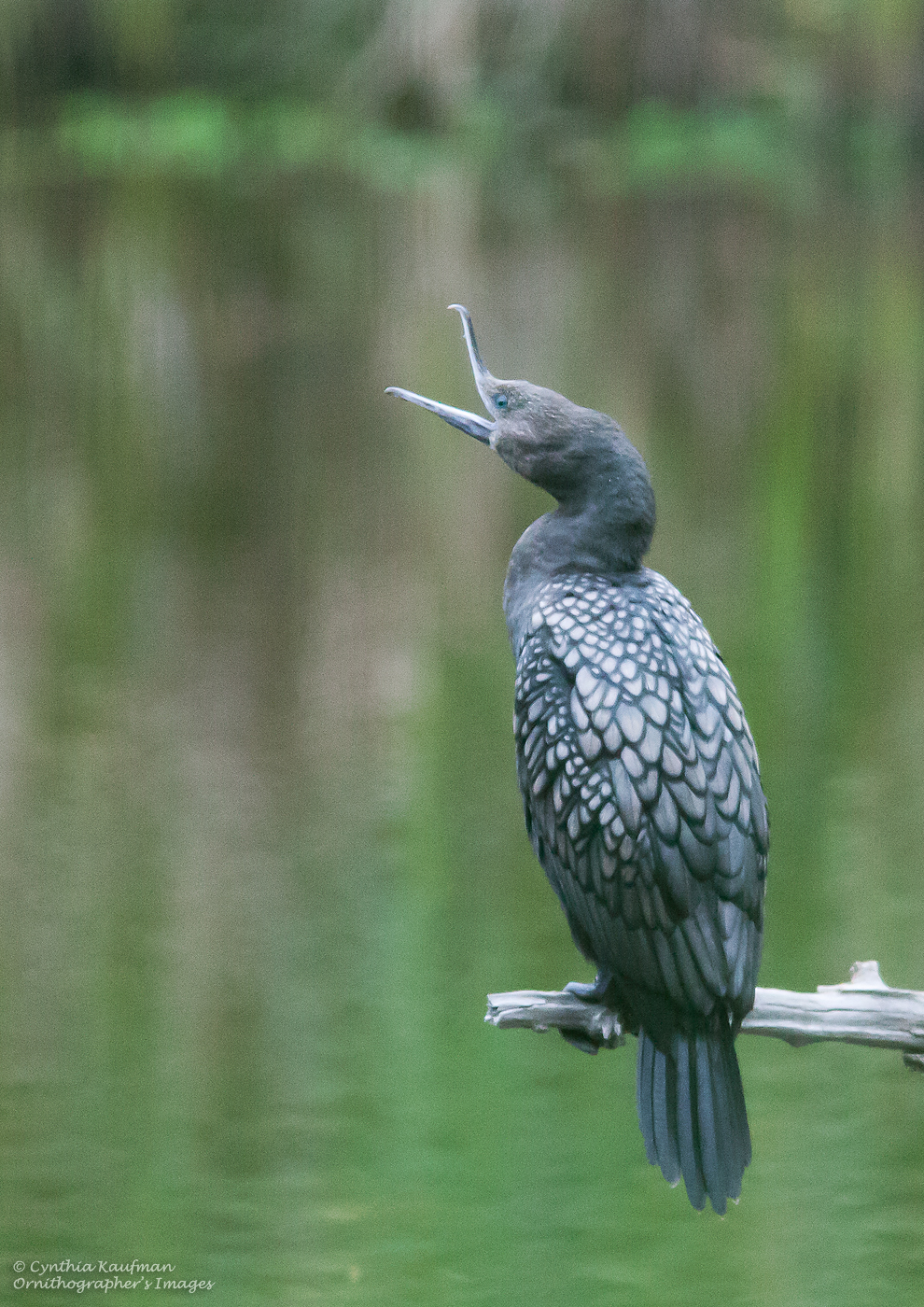
Little Black Cormorant (Phalacrocorax sulcirostris)
Great Cormorant (Phalacrocorax carbo)
Last month, birders in the Philippines got excited when an Australian Pelican (Pelecanus conspicillatus) wandered in South Cotabato in Mindanao. When we went birding in Sydney we were suprised that this species was quite common near bodies of water.
We tried birding the seashore in Sydney but because it was raining and the tide was low when we arrived, we missed our target oystercatchers. There were a few birds..Eurasian Curlew and Bar-tailed Godwits and one lifer for us the Greater Crested Tern. However, it was too far and we only got a "documentary" shot.
Once again, Sydney and the surrounding areas did not disappoint. Water birds were plenty and we chalked up more lifers.